Mental health at work shapes how people show up, connect, and perform. When stress goes unmanaged or emotions feel overwhelming, the impact reaches far beyond the individual. Teams struggle, productivity drops, and burnout becomes harder to ignore.
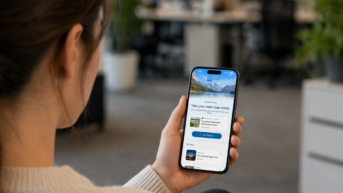
As organizations rethink how they support employees, mental health apps have become a meaningful part of the solution. Used thoughtfully, they offer accessible, private support that helps people manage stress, build emotional regulation skills, and care for their mental well-being in ways that fit real workdays.
This guide brings together Calm Health’s perspective on workplace mental well-being and emotional regulation, along with trusted resources from health.calm.com. It is designed to help employers and HR leaders understand how mental health apps can support employees and where they fit within a broader workplace well-being strategy.
Mental health and emotional well-being in the workplace
Workplace mental health is not only about responding to crises. It is about helping people navigate everyday pressure, regulate emotions, and recover from stress before it becomes overwhelming.
Emotional regulation is central to this process. When employees can recognize emotional stress and respond with healthy coping skills, they are more likely to stay engaged, collaborate effectively, and keep balance at work. Conversely, when those skills are absent or unsupported, stress increases and can lead to burnout, disengagement, or absenteeism.
Calm Health explores these foundational ideas across its workplace content, including guidance on building supportive cultures and everyday resilience:
- Creating a culture of self-care in the workplace
- Everyday resilience matters
- How self-talk affects your workday
Together, these resources show why emotional regulation is a core capability for modern workplaces.
The business impact of poor emotional regulation
When emotional regulation breaks down, the effects are often visible long before they are named. Employees may appear exhausted, irritable, or disengaged. Over time, these individual struggles translate into organizational risk.
Common impacts include higher absenteeism and presenteeism, reduced focus and decision-making, increased healthcare and disability costs, and higher turnover, particularly among high-performing employees.
Calm Health has examined how workplace conditions contribute to these outcomes, including workload strain and constant digital demands:
- Employee workplace stress
- Technology is contributing to employee burnout
- Is work overload hurting your organization’s performance?
Mental health apps cannot replace thoughtful leadership or healthy workplace design. They can, however, give employees tools to manage stress in the moment while broader changes take shape.
How mental health apps help employees manage stress at work
The most effective mental health apps for workplace well-being focus on accessibility, privacy, and practical support. They meet employees where they are, whether that is between meetings, during a stressful moment, or outside traditional work hours.
Helpful features often include stress management tools for quick relief, mindfulness practices designed for the workday, CBT-based exercises for anxiety and burnout, and support for sleep, focus, and emotional resilience.
Short, flexible practices matter. Even brief moments of grounding or reflection, when practiced consistently, can strengthen emotional regulation over time.
Calm Health resources show how these approaches fit into daily work life:
- Mindfulness at work
- Why micro-breaks should be normalized in the workplace
- Self-care tools reduce stress and prevent burnout
Employer strategies to support mental well-being at scale
Mental health apps work best when they are part of a broader approach to employee well-being. Organizations that see lasting impact combine digital tools with supportive leadership, clear expectations, and realistic approaches to workload and change.
Common strategies include normalizing conversations about mental health at work, equipping managers to recognize early signs of burnout, encouraging rest and recovery, and providing visible support during periods of transition.
Calm Health has shared guidance for employers navigating these challenges:
- Self-care guide for managers
- Equipping managers and employees to handle stressful work situations
- The problem of employee burnout and how you can help
Mindfulness and CBT-based mental health apps
Many leading mental health apps draw from two well-established approaches: mindfulness and cognitive behavioral therapy.
Mindfulness helps employees notice stress responses earlier and respond with greater intention. CBT-based tools help employees identify unhelpful thought patterns and develop healthier ways of thinking and coping.
Calm Health integrates these approaches across its programs and content, helping employees strengthen emotional regulation over time:
- Mindfulness helps employees manage negative emotions
- Practical tools to manage stress and improve focus
- Creating a culture of self-care in the workplace
This combination is especially relevant for employees managing anxiety at work or burnout.
Mental health apps vs employee assistance programs
Many employers compare mental health apps with traditional employee assistance programs when evaluating support options.
Employee assistance programs often focus on short-term counseling or crisis response. Mental health apps focus on prevention and daily skill-building. Rather than waiting until stress becomes overwhelming, apps give employees tools they can use regularly to manage emotions, build resilience, and reduce the risk of burnout.
For many organizations, mental health apps complement EAPs by increasing engagement and providing support between formal care touchpoints.
How Calm Health supports workplace mental well-being
Calm Health is designed to support mental well-being across the full spectrum of employee needs. Through a blend of mindfulness practices, CBT-based content, and brief, approachable exercises, Calm Health helps employees build emotional regulation skills they can return to again and again.
The focus is on prevention, accessibility, and habits that support both individual well-being and organizational health.
Mental health apps for workplace well-being FAQ
What is the best mental health app for employees?
The best mental health app for employees is one that supports everyday stress management, emotional regulation, and prevention. Apps that combine mindfulness, CBT-based tools, and short practices tend to see higher engagement because they fit into real workdays.
How do mental health apps help with burnout at work?
Mental health apps help employees recognize stress early, regulate emotions, and recover between demanding moments. Over time, consistent use can reduce the risk of burnout by supporting healthier coping habits and resilience.
Are mental health apps a replacement for employee assistance programs?
Mental health apps are not a replacement for employee assistance programs. They work best as a complement, offering daily support and prevention, while EAPs provide short-term counseling and crisis care.Do employees actually use workplace mental health apps?
Employees are more likely to use mental health apps when content is private, accessible, and easy to use in short sessions. Apps designed around flexibility and real-world stressors tend to see stronger engagement.
Learn more about Calm Health for enterprise teams
Supporting mental health at work does not require a single solution. It requires meeting employees with care, flexibility, and tools that fit into real life.
Learn more about Calm Health for enterprise teams and how evidence-informed mental health apps can support emotional regulation, reduce burnout, and strengthen workplace well-being.